From Reactive to Predictive: Powering AQUADVANCED® with High- Frequency DMA Data
Utilities globally are grappling with the twin pressures of aging infrastructure and the mandate to significantly reduce Non-Revenue Water (NRW). Effective NRW control requires the proactive management of District Metered Areas (DMAs), moving from reactive response to predictive, data-driven operation. SUEZ’s AQUADVANCED® Water Networks (AAWN) platform is designed to facilitate this shift, aggregating data into operator-ready dashboards and GIS overlays for superior event management. The success of AAWN—including instantaneous alarming, transient pressure analysis, and digital-twin calibration—is fundamentally dependent on the quality and frequency of input data.
The Power Constraint and Data
Latency Barrier
The majority of critical DMA monitoring points are located in underground chambers or remote sites where mains power is unavailable.
Traditional monitoring solutions resort to battery power, which introduces a crippling trade-off: data frequency versus battery life. To ensure survival for months, these loggers must throttle measurement and transmission rates (e.g., 15-minute logging with daily uploads). This low-frequency, high-latency data creates critical blind spots, slowing the detection of significant bursts and failing to capture fast-moving pressure transients, exactly when the network needs continuity.
Voice of Operations (SUEZ):
“We face recurring issues: transmission losses, limited battery life, and data continuity gaps. To preserve battery, devices typically record every 15 minutes and send data daily, which significantly slows our reaction times. Real-time data would enable quicker responses to major incidents, expose pressure transients, and optimally feed our digital twins.”
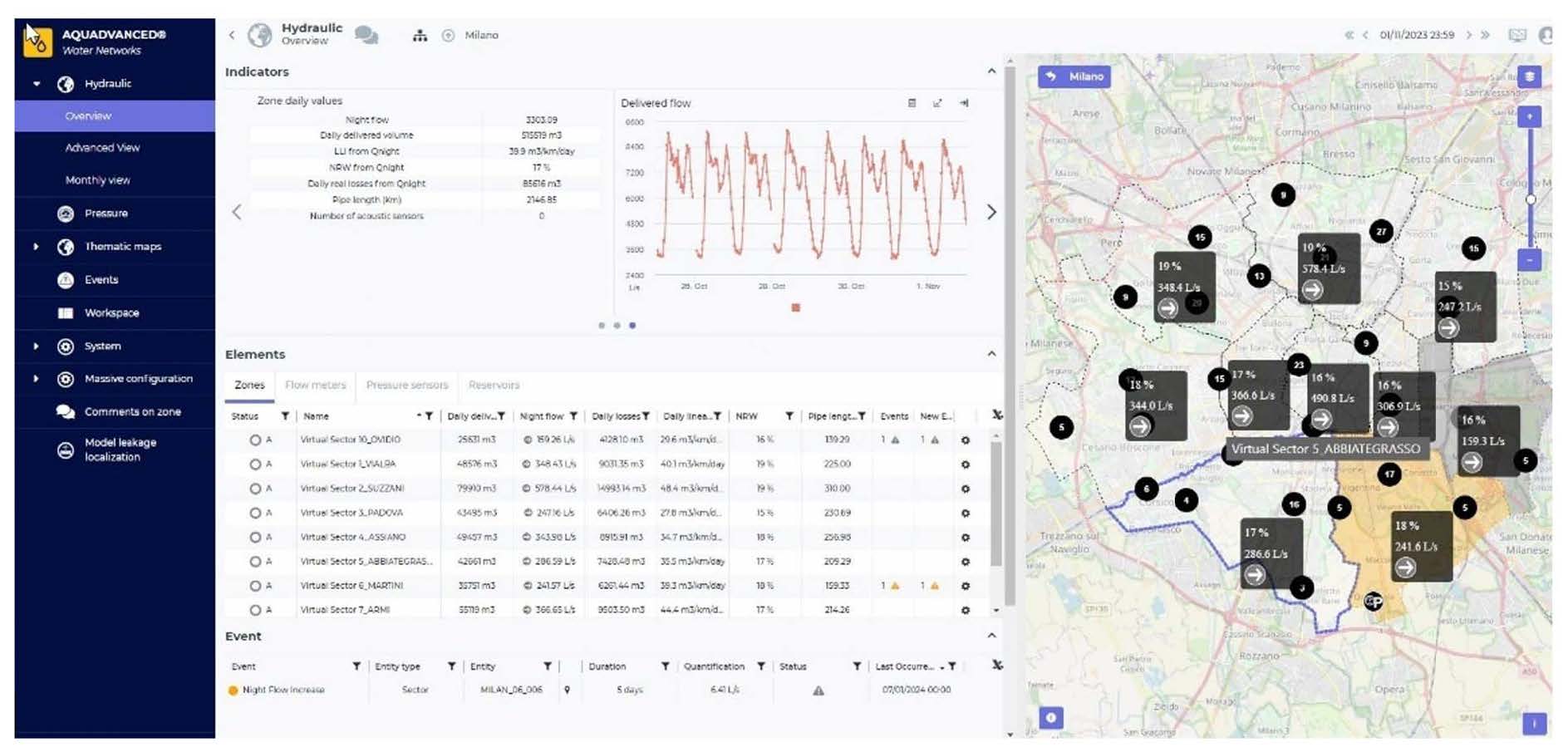
Picture 1: SUEZ’s AQUADVANCED example in Metropolitan Milanese - Digitising the water network of a public operator to minimise risks and reduce leakage-related interventions
PYDRO PT1 Technological advantage
The PYDRO PT1 is a self-powered, multi-sensing unit designed to permanently solve the power constraint in remote water networks, enabling water utilities to transition to an “always-on” monitoring philosophy.
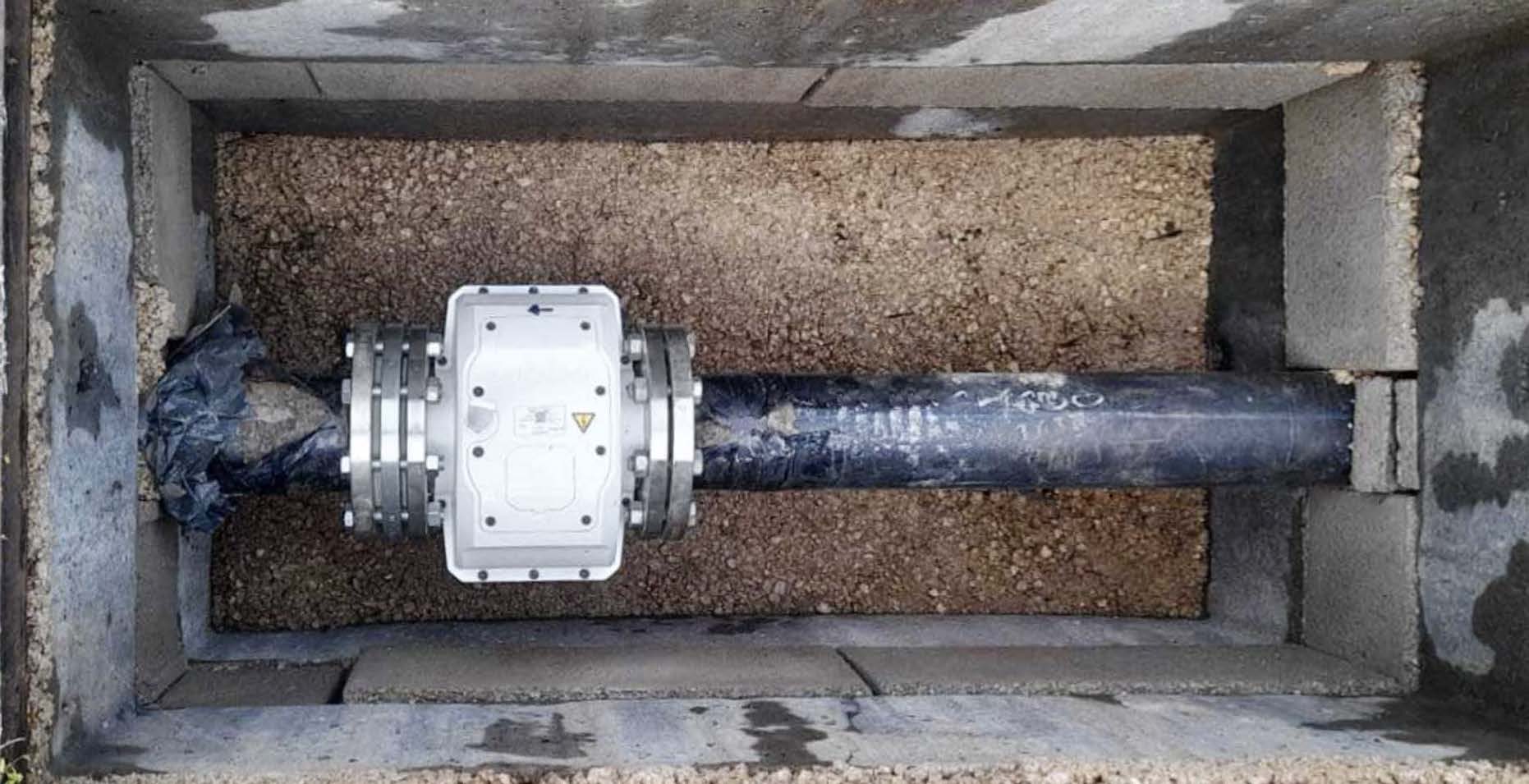
Picture 2: PYDROs PT1 installed in a Chamber
• Self-Powering Principle: The PT1 incorporates a miniature internal turbine that efficiently harvests kinetic energy directly from the flow it is measuring. This eliminates any reliance on external power sources (mains, solar, or routine battery replacements).
• Continuous Data Acquisition: The harvested energy continuously powers the sensing unit and communications module, enabling reliable, minute-level (or sub-minute) data streaming. The device maintains a resilient internal energy buffer to ensure continuous operation, even during periods of very low or zero flow.
Operational Deployment and Communications
Operational Simplicity (“Fit & Forget”): The PT1 is flange-mounted directly into the pipework (DN100), avoiding the need for complex civil works, cabling, cabinets, or solar panels. Typical installation and commissioning can be completed by a single crew in under an hour.
The PT1 integrates directly into the DN100 pipework, eliminating the need for external power cabling, solar, or battery cabinets.
Secure & Smart Comms: Data is securely transmitted via cellular uplink (LTE-M/NB-IoT) directly to the cloud and integrated into SCADA/AAWN views. Crucially, its self-powering nature allows for remote configuration, health monitoring, and Over-The-Air (OTA) firmware updates, drastically reducing the OpEx associated with manual maintenance and site visits (“truck rolls”).
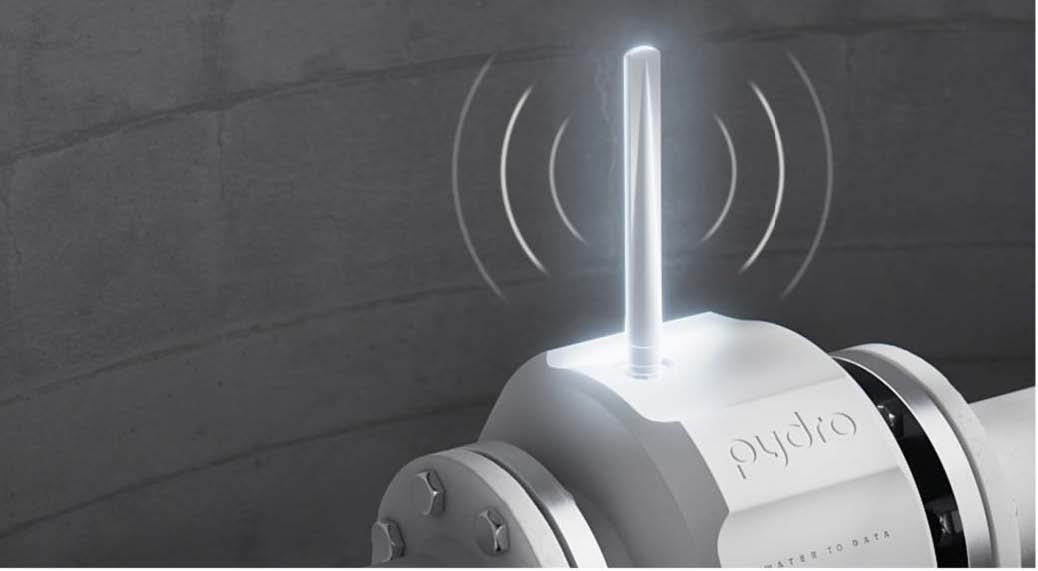
Picture 3: PYDROs PT1 with attached Antenna
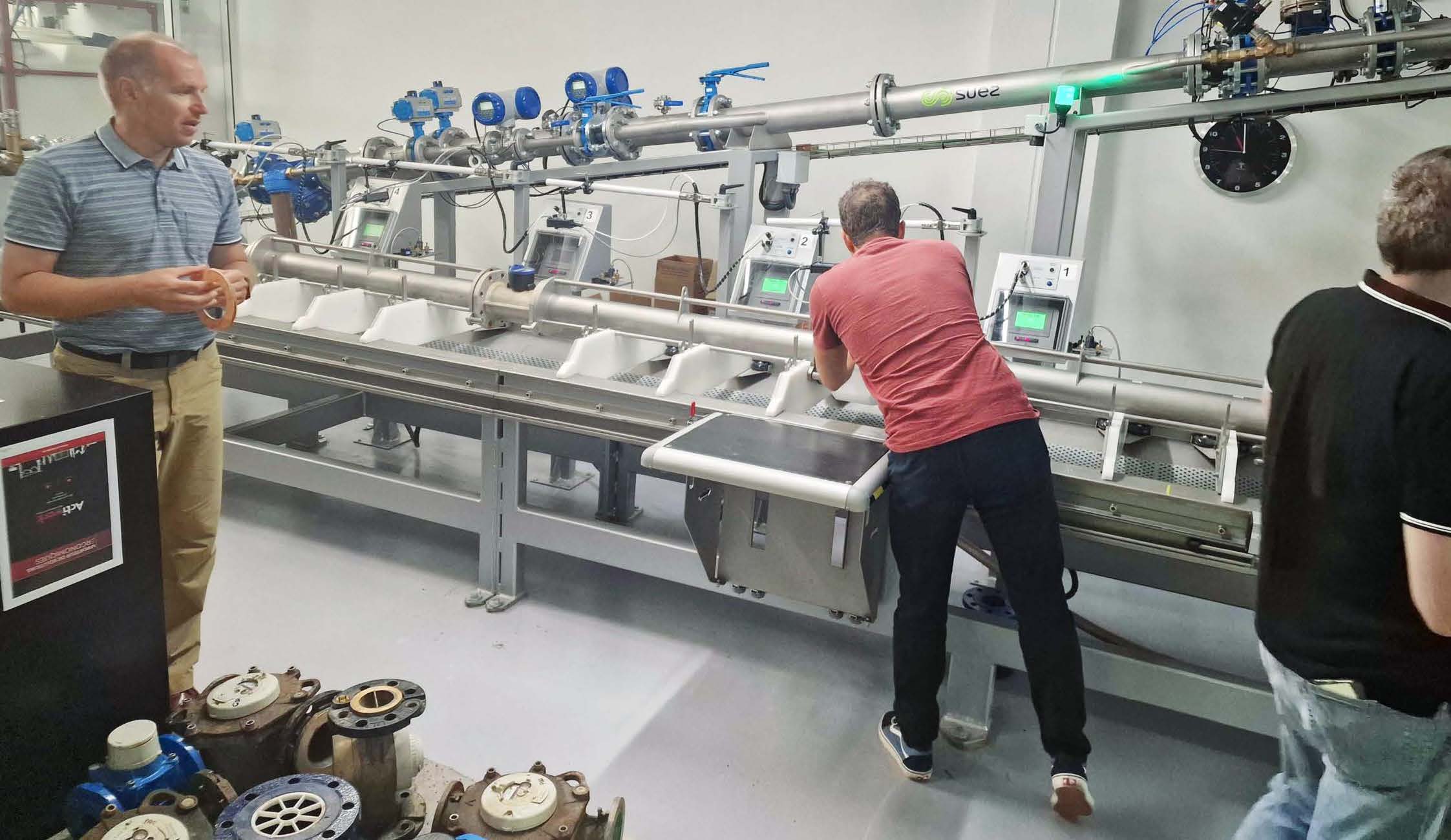
Picture 4: PYDRO delivering the PT1 to SUEZ for Phase 1 Lab Test
From Lab Validation to Field Accuracy
SUEZ and PYDRO executed a rigorous, two-stage evaluation process in conjunction with SUEZ technical centers (LYON/CTCM) to validate the PT1’s performance and operational suitability.
Phase 1: Laboratory Metrology (CIRSEE Test Bench)
The PT1 was subjected to verifiable metrological tests on DN100 pipework using the automatic start/stop method.
Metrology Result: Across various flow rates (750 to 50,000 l/h), the PT1 achieved a maximum volumetric error of -2.44% to +2.20% compared to the reference meter. This confirms the device’s metrological sufficiency, validating its use as a highly accurate complement to existing flow infrastructure.
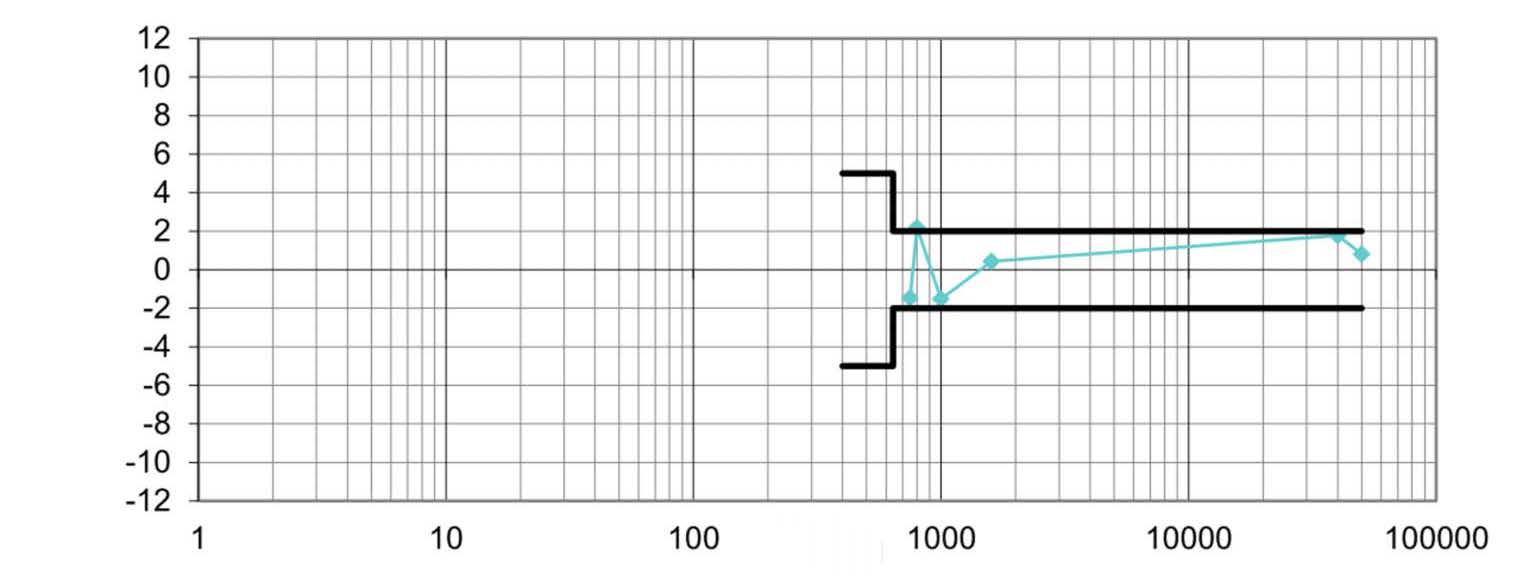
Picture 5: Metrological Results
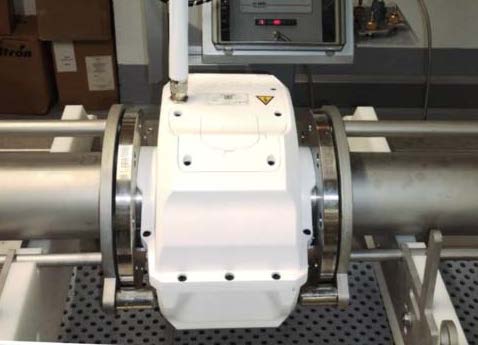
(0) Initial curve without stabilizer
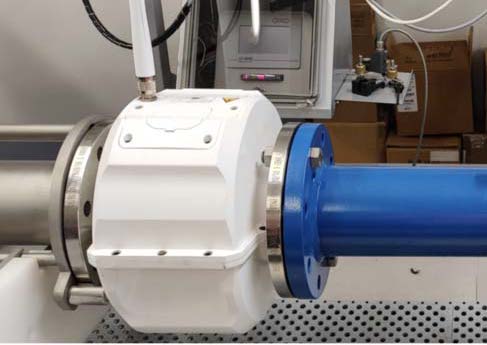
(1) Initial curve with a stabilizer
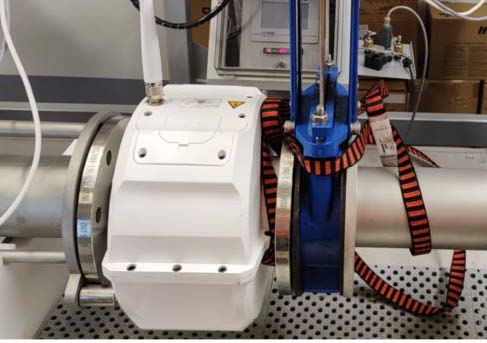
(2) Curve with a valve opened at 100% upstream
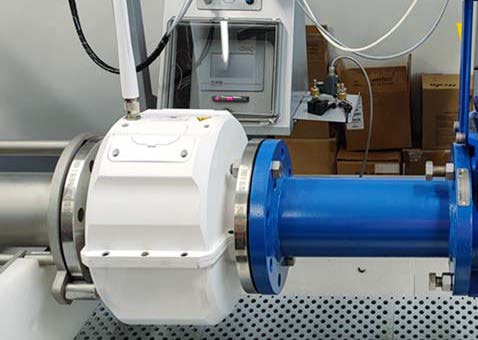
(3) Curve with a valve opened at 30% upstream only
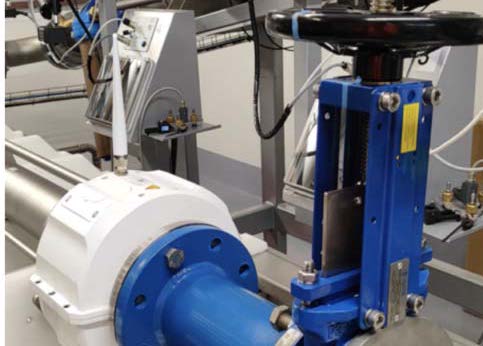
(4) Curve with a stabilizer and the valve opened at 30% upstream only
Project Design
Client:
Suez
Location:
CTCM, Lyon, France
Starting Time:
September 4, 2024
Client:
Suez
Duration:
4 months
Type:
Unpaid pilot project
Learnings: In this series of laboratory tests, the PT1 accuracy was evaluated, and concluded that both under normal and handicapped conditions, the device maintains a very good level of accuracy. The client was satisfied with the obtained results.
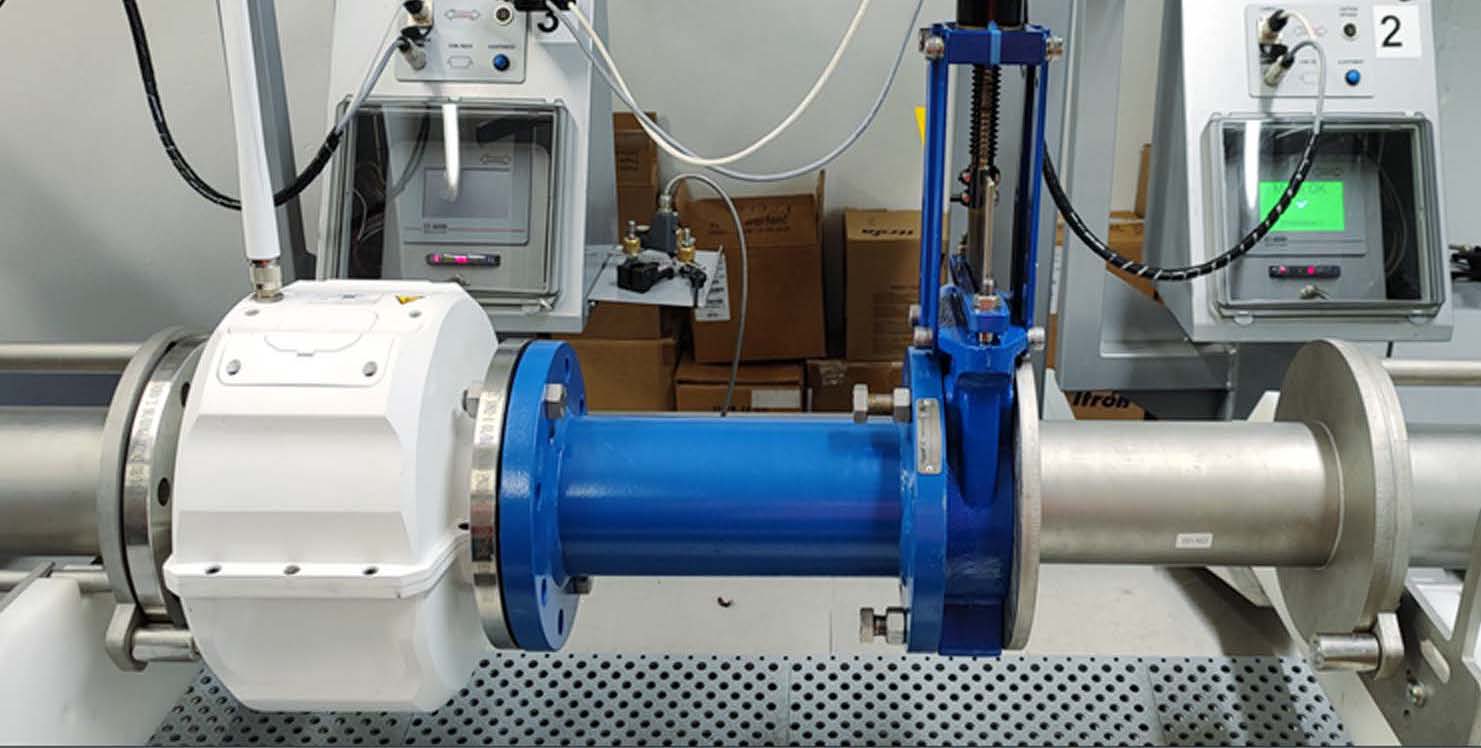
Picture 6: Laboratory set up with a butterfly valve placed upstream the PT1. Defavorable condition.
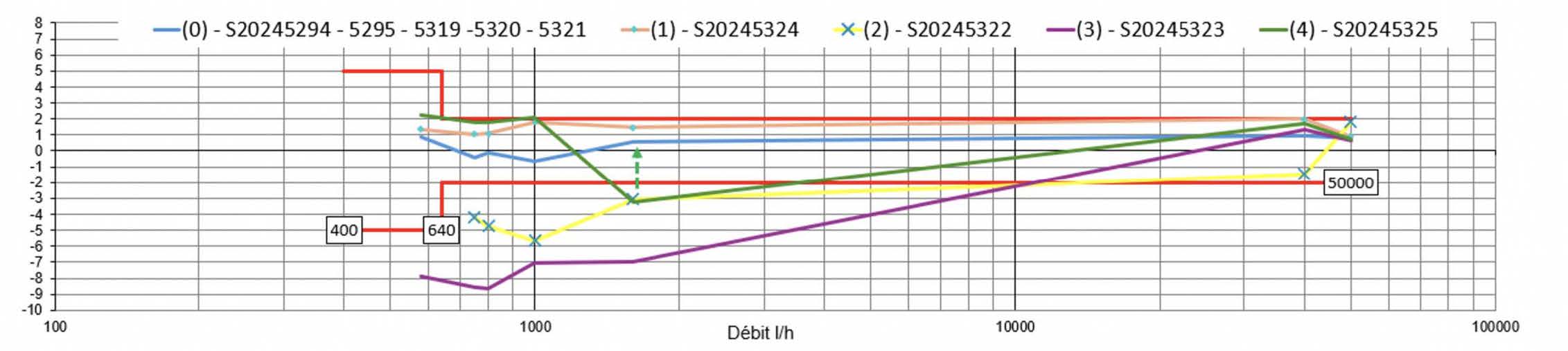
Picture 7: Figure 7: Only in the case of a valve opened 30% upstreams, the results are considerably beyond OIML R49 limits. If a stabilizer is used, this issue can be improved.
Phase 2: Field Trial
The primary test was the PT1’s ability to perform continuously in a real-world environment over 12 weeks, with performance benchmarked against a reference flowmeter.
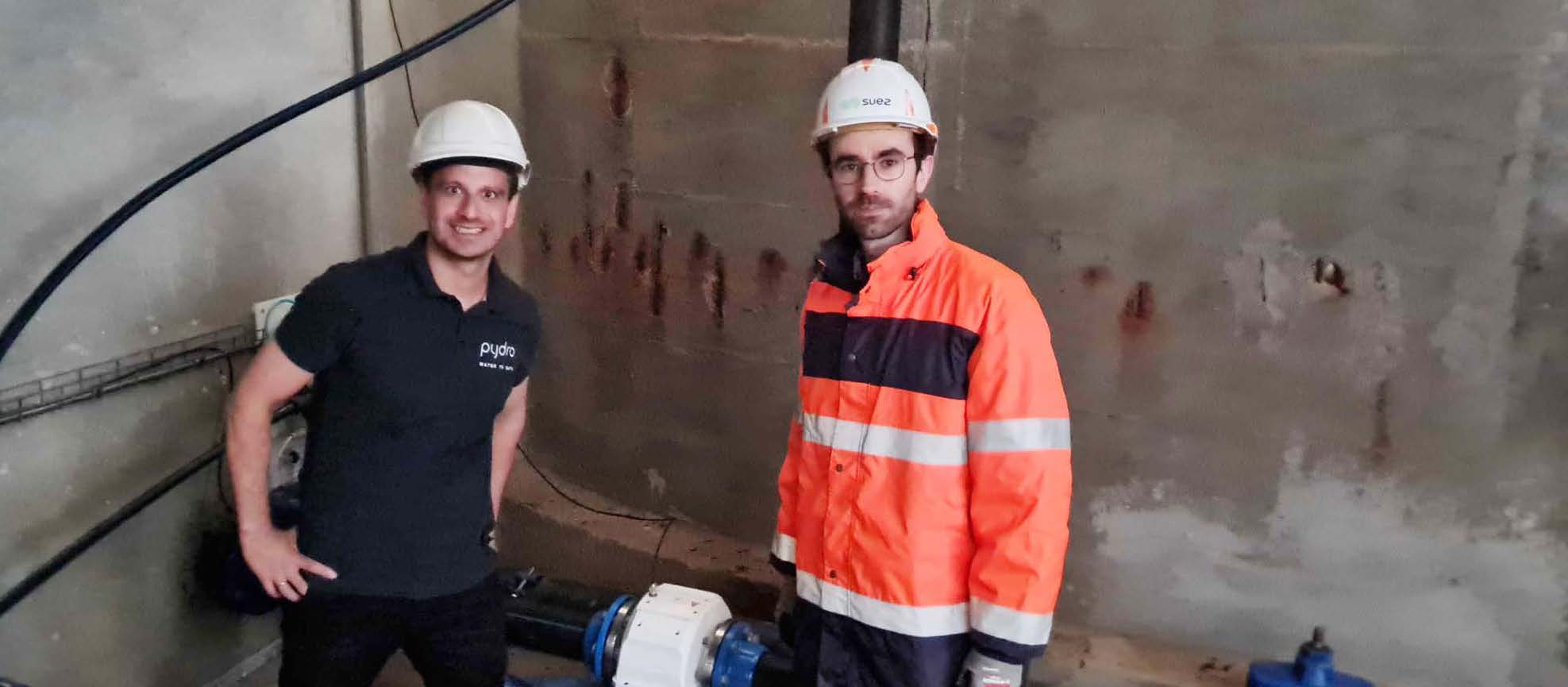
Picture 8: PYDRO CTO and SUEZ Projektmanager at a installation Site
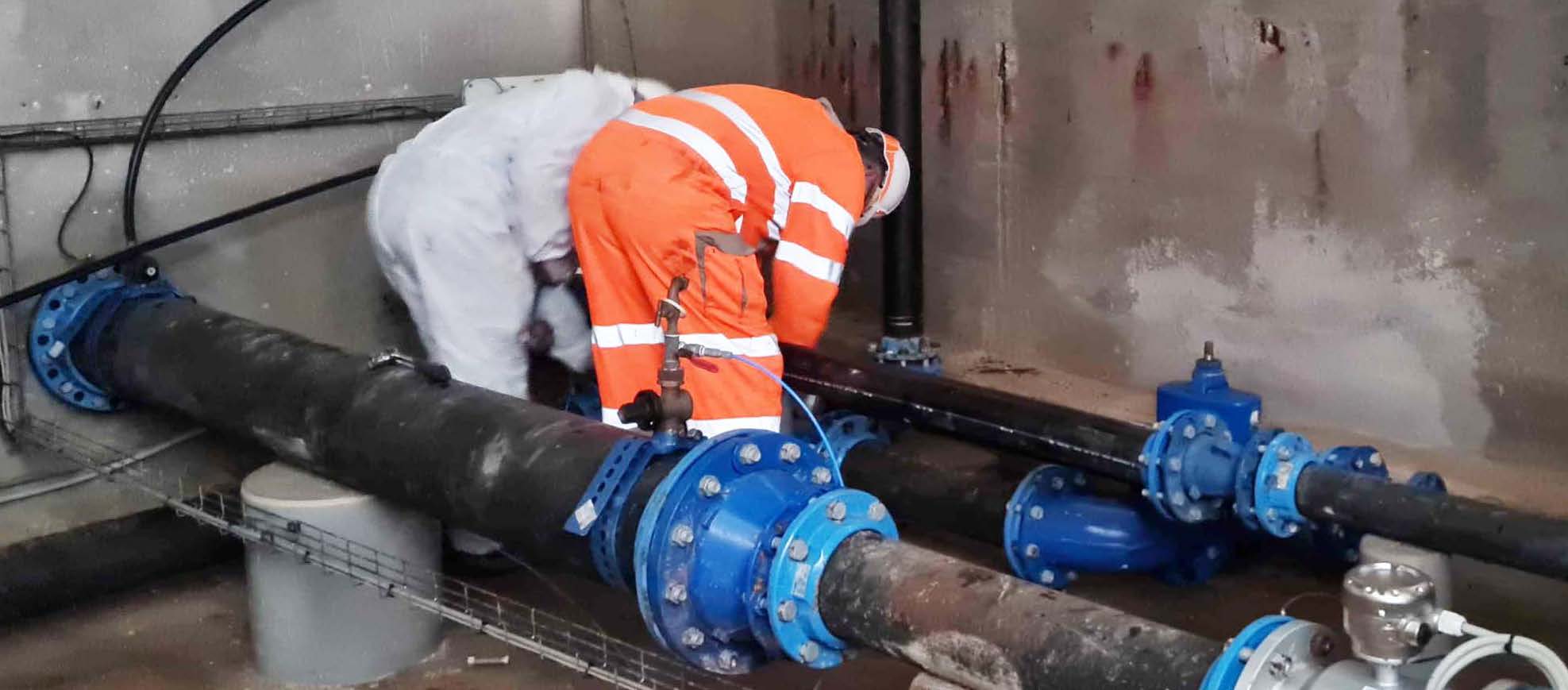
Picture 9: SUEZ Team Installing the PT1
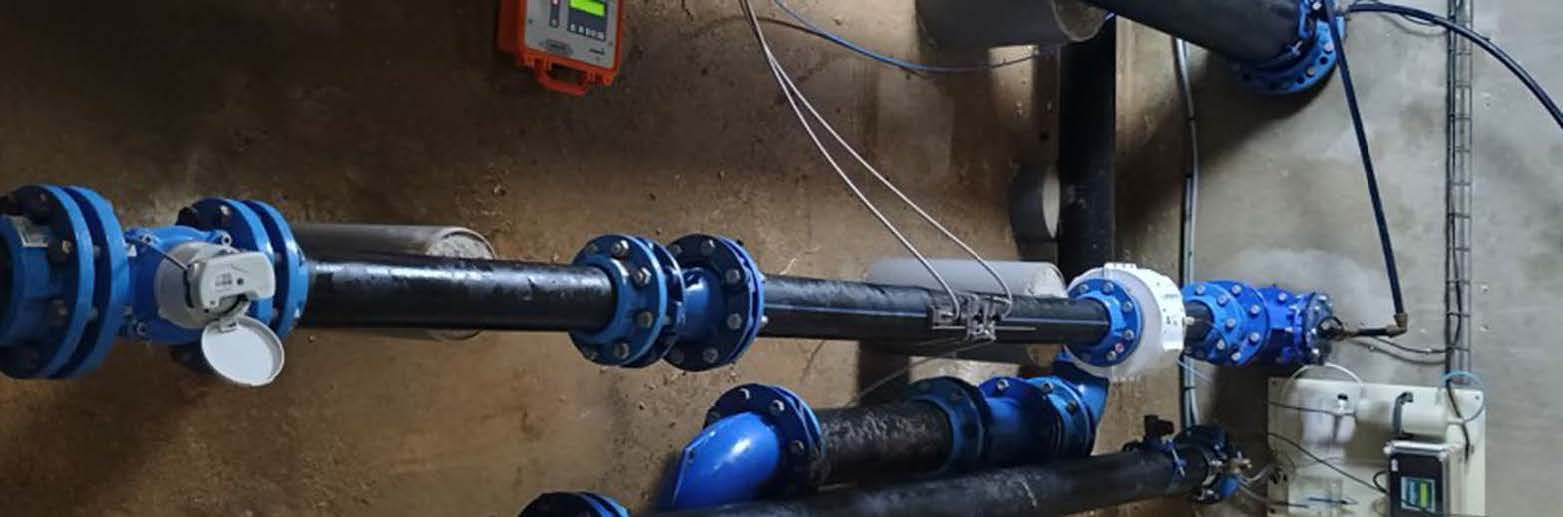
Picture 10: PT1 Alongside Reference Flowmeter
Data Continuity and High-Resolution Performance
The trial confirmed that the PT1 excels in data acquisition where traditional battery solutions fail:
• High-Resolution Data Stream: Over the three-month period, the system successfully maintained 98% uptime for minute-level data continuity (24/7). This continuous, high-frequency data transmission is a capability fundamentally unlocked by the self-powering mechanism.
• Flow Alignment: The minute-by-minute flow data demonstrated exceptional alignment with the reference flow, capturing daily consumption cycles, including critical peak and low-flow periods, with high fidelity. (See Field Comparison Graph)
Overlay of PYDRO flow data (blue) against the reference meter (red) over a week, demonstrating high synchronization and accurate capture of peak/low consumption cycles.
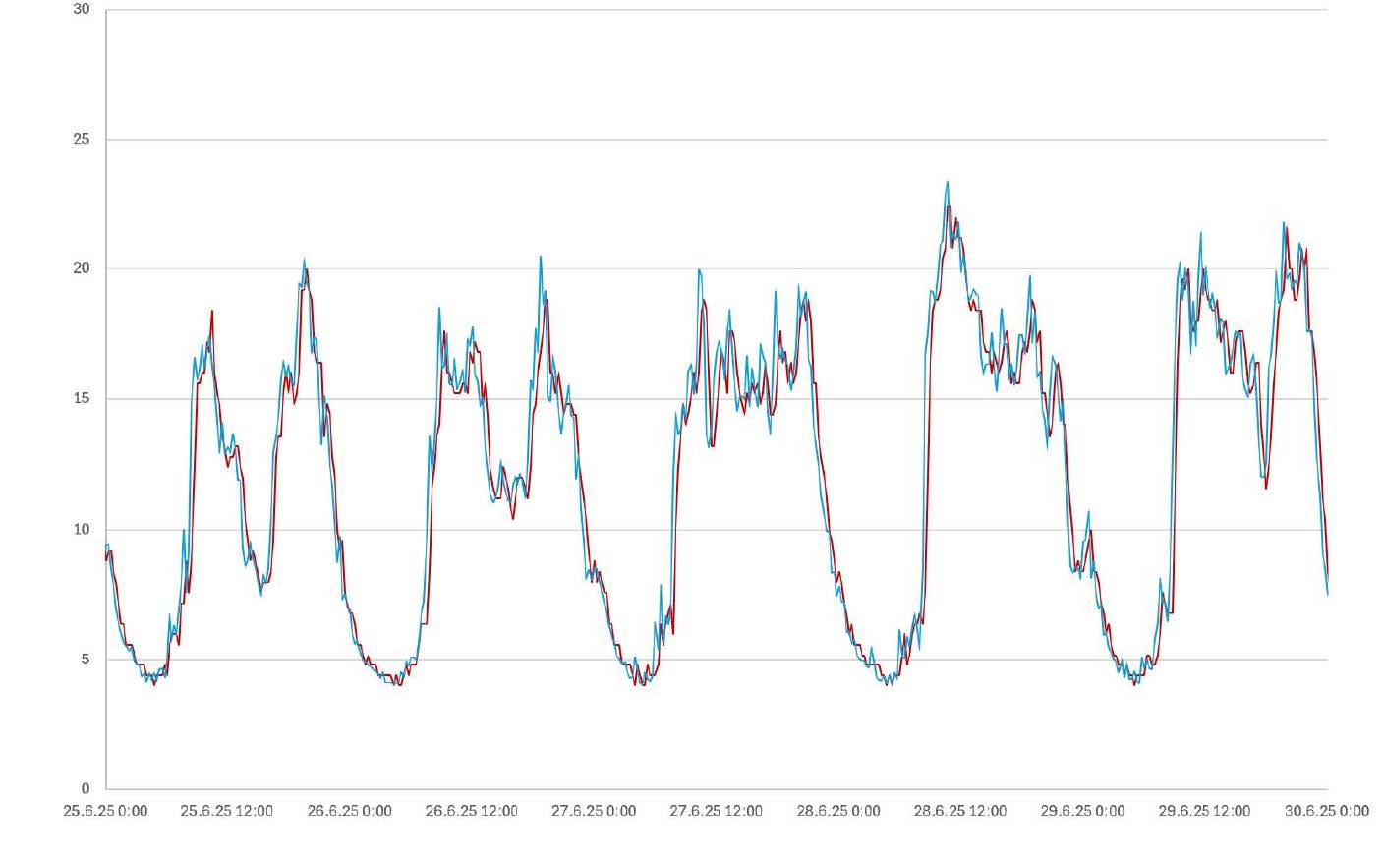
Picture 11: Field Trial Flow Comparison
Volumetric Accuracy and Error Analysis
The PT1 demonstrated both high long-term stability and provided a clear understanding of the challenges in short-term data comparison:
• Volumetric Auditing Stability: When data was aggregated to the weekly level, the PT1 achieved a superior Absolute Mean Error of only 0.81% compared to the reference meter. This long-term accuracy is vital for reliable water balance audits and Non-Revenue Water (NRW) verification.
• Understanding Short-Term Deviation: While the aggregated accuracy is near-perfect, the data shows higher instantaneous deviation at shorter intervals (e.g., Absolute Mean Error of 9.02% at the 15-minute interval). This is characteristic of comparing asynchronous, high-frequency systems. The PT1’s continuous (minute-level) measurement exposes any slight time synchronization error or offset between its timestamp and the reference meter’s logging interval. These timing-related errors self-correct and cancel out as the data is aggregated to daily or weekly sums, confirming the PT1’s robust and superior underlying volumetric measurement capability.
Operational Insight: Transient Event Capture
The high-frequency data delivered a crucial operational benefit: the ability to capture dynamic events. A notable instance included the detection of a reverse flow event lasting approximately one hour, an anomaly that would have been missed or heavily smoothed by a 15-minute logger. This capability is paramount for identifying and managing damaging pressure transients and validating network model inputs.
From Lab Validation to Field Accuracy
Integration with AQUADVANCED® and OpEx Reduction
The SUEZ/PYDRO collaboration validated a technology that directly addresses a central economic barrier to digitalization: the cost and logistics of power.
• Integration with AAWN: As a next step, the continuous data stream from the PT1 will be able to seamlessly integrates into AAWN’s data architecture, allowing SUEZ to fully leverage its digital platform for real-time dashboarding, proactive alarming, and digital-twin calibration.
• Operational Expenditure (OpEx) Reduction: By eliminating the need for routine battery swaps, power-related civil works, and site visits for configuration or health checks, the PT1 can directly impacts the OpEx profile:
KPI Category
Metric (Aggregated Result)
Benefit Unlocked
Data Continuity
98% uptime for minute-level data
Always-on, high-frequency data eliminates blind spots and latency.
Volumetric Accuracy
Weekly Abs. Mean Error: 0.81%
Confirmed long-term stability for NRW calculation and auditing.
Operational Efficiency
Battery Replacements: Zero
Remote management and self-power eliminate recurring OpEx (battery swaps, power trips).
Event Visibility
Event Detection: Confirmed
High-frequency sampling captures flow events such as the reverse flow measured missed by throttled loggers.