
Watch how pydro flowmeters and intelligence work in real world DMA deployments.
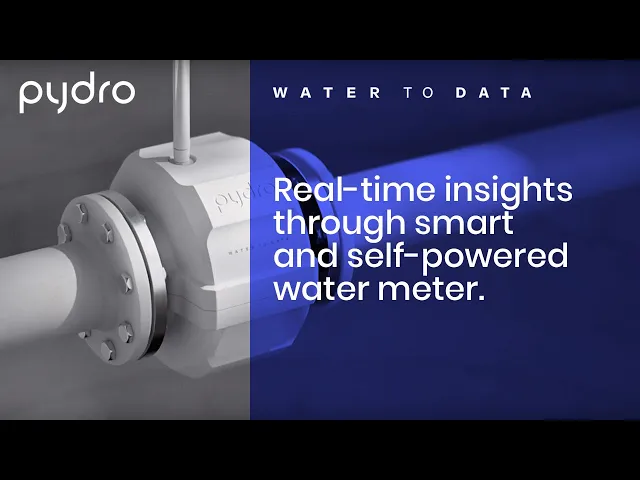
Real-time insights through smart and self-powered water meter.

PTI: Real-Time Leak Detection for Smarter Water Networks

How Pydro Works - Explained by our CTO
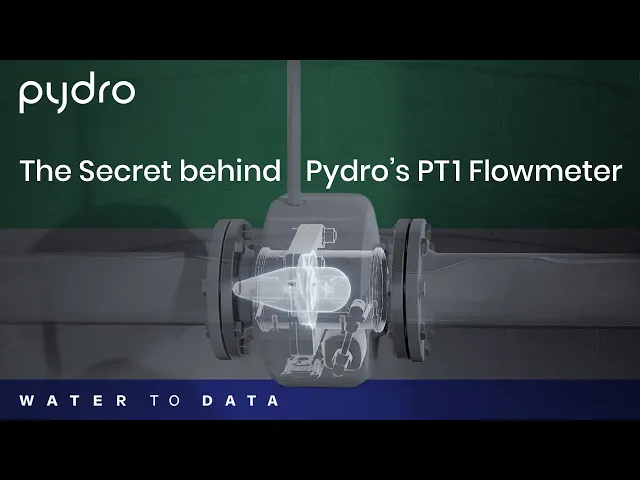
The Secret behind Pydro's PT1 Flowmeter
Case Studies about how we prevent leakage and digitize water networks to save our water
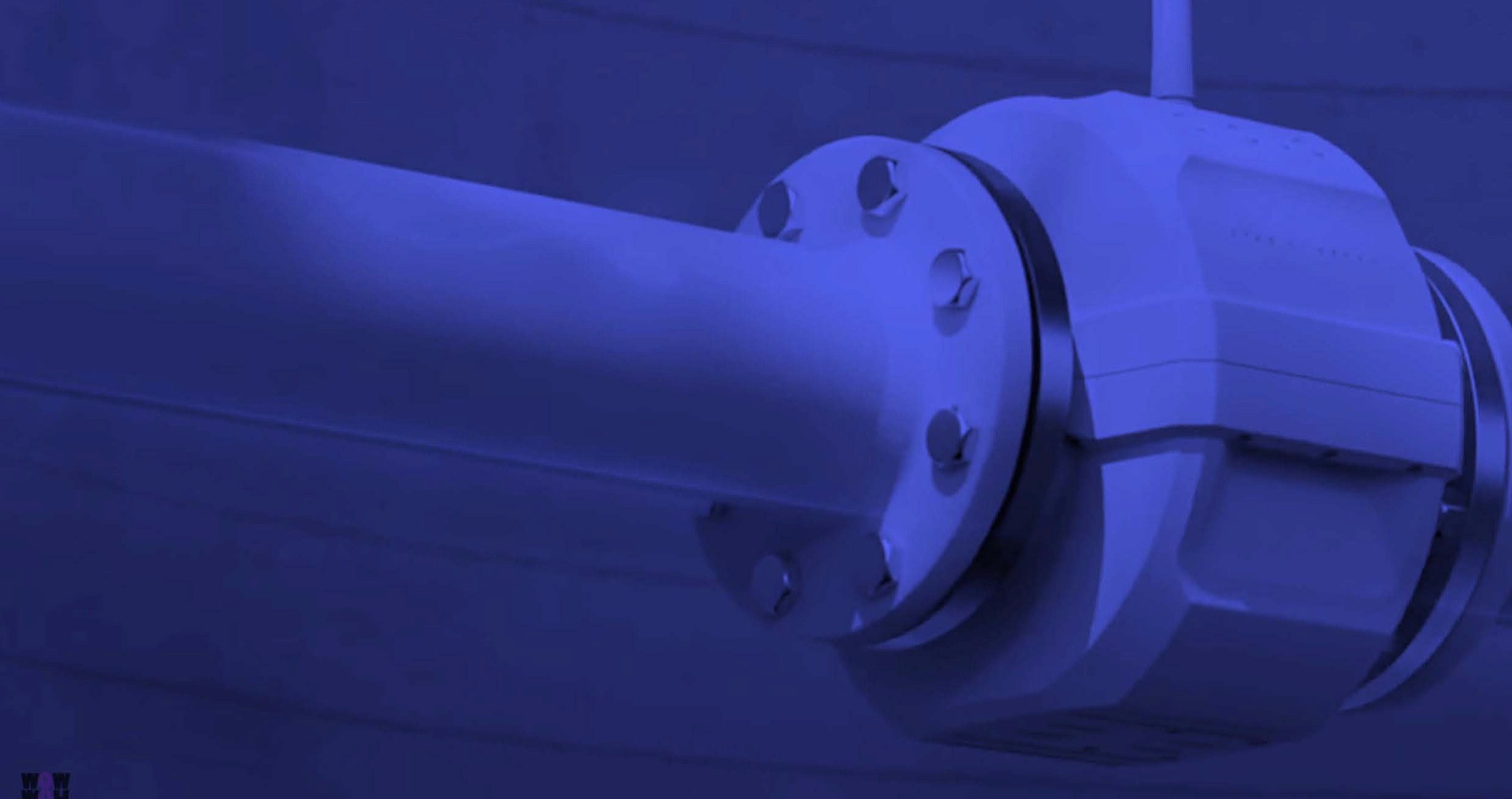
The Value of Real-Time Water Network Monitoring for NRW Control
Utilities face average water losses of 30%, resulting in an annual loss of $39 billion in Non-Revenue Water (NRW), which not only impacts their budgets but also exacerbates the problem of global water scarcity.
Advanced technologies show promise in detecting leaks and burst pipes in distribution networks and contribute to effective containment of NRW through regular maintenance and timely repairs. However, the efficiency of current solutions for loss-free water distribution has yet to be proven on a large scale…

The first installation of the self-powered PT-1 flow meter in Greece – DEYA Patras
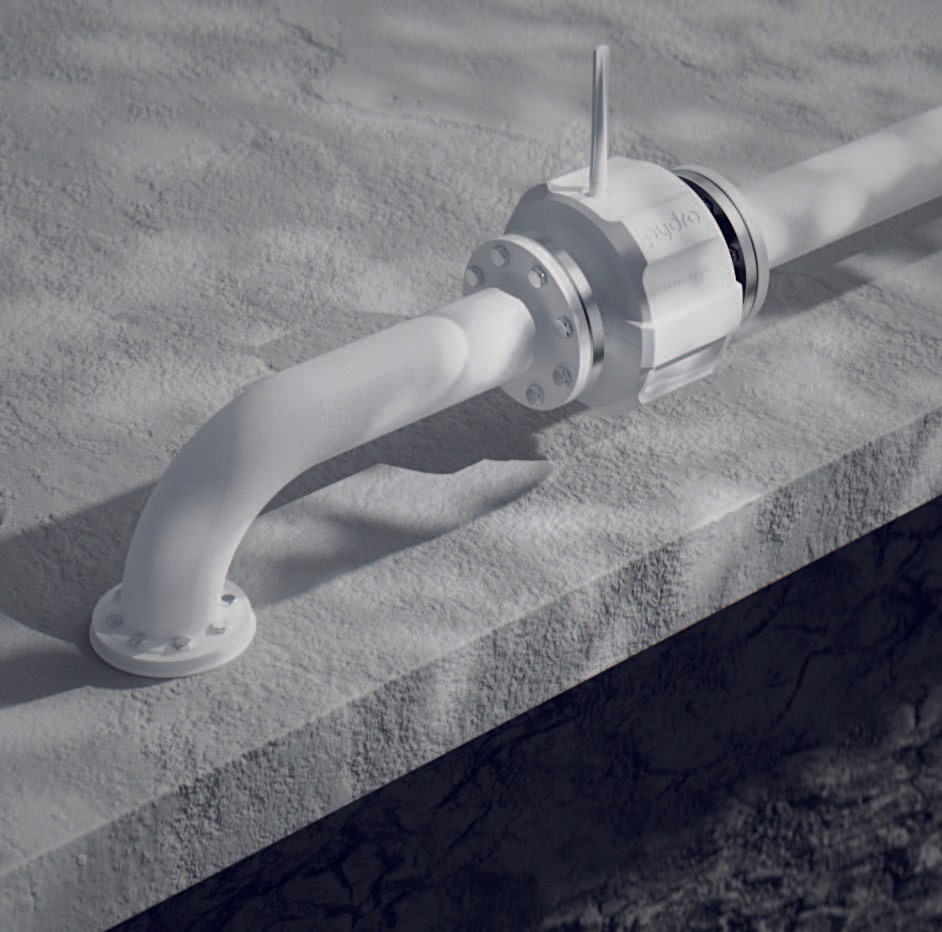
The Patras Water Utility (ΔΕΥΑ Πάτρας), in collaboration with IDATOR , has implemented PYDRO`s self-powered PT-1 flow meter to enhance the management of its water supply network. This innovative flow meter features an energy recovery system, using water flow to operate independently without an external power source.
Designed for District Metered Areas (DMA), the PT-1 provides real-time data on flow, pressure, and temperature, helping reduce water losses and detect leaks. It also offers remote reading capabilities and integration with telemetry systems, enhancing water resource management.
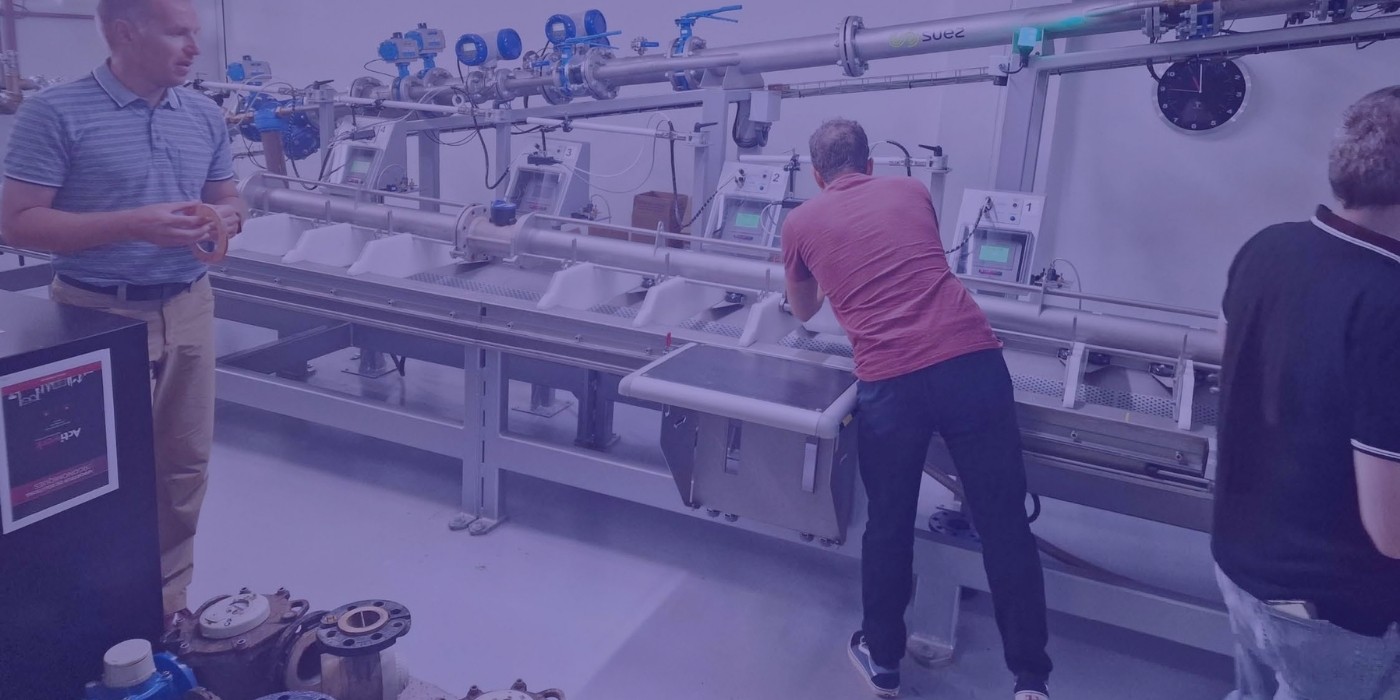
From Reactive to Predictive: Powering AQUADVANCED® with High- Frequency DMA Data
Utilities globally are grappling with the twin pressures of aging infrastructure and the mandate to significantly reduce Non-Revenue Water (NRW). Effective NRW control requires the proactive management of District Metered Areas (DMAs), moving from reactive response to predictive, data-driven operation.
SUEZ’s AQUADVANCED® Water Networks (AAWN) platform is designed to facilitate this shift, aggregating data into operator-ready dashboards and GIS overlays for superior event management. The success of AAWN—including instantaneous alarming, transient pressure analysis, and digital-twin calibration—is fundamentally dependent on the quality and frequency of input data.